


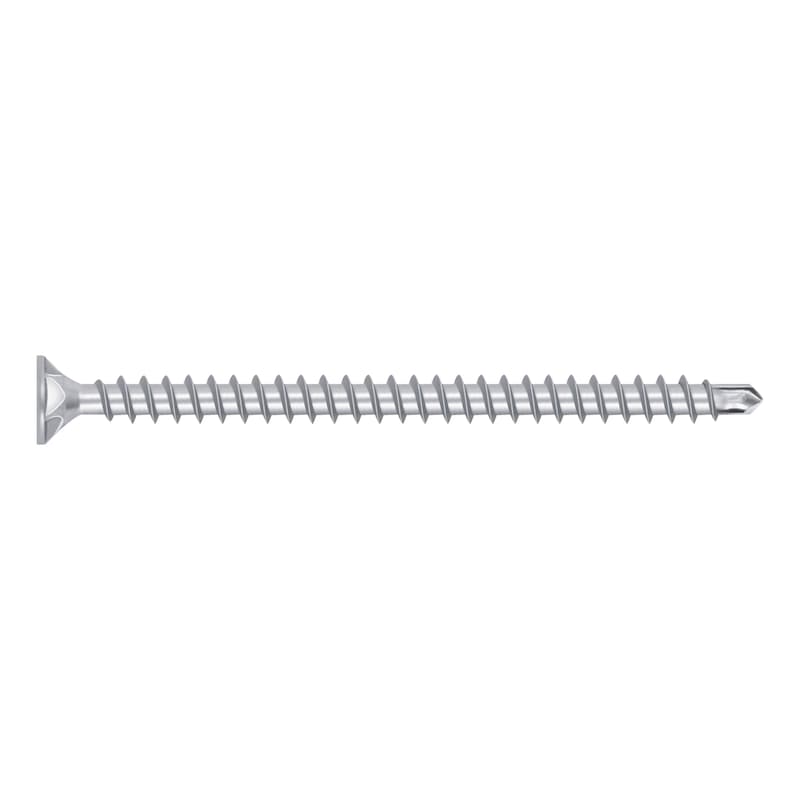


ASSY®plus FT, milling pocket head timber screw
SCR-CS-MPK-VG-AW50-(A3K)-12,0X180/154
Art.-no. 0165412180
EAN 4050642526495


Register now and access more than 125,000 products
- It is perfect for structural reinforcements (lateral compression and lateral tensile) for beams and the static connection of a second wooden cross-section.
- The countersunk milling pocket head is ideal for lateral compression reinforcements and metal connections.
- Extremely high load-bearing capacity
- Extremely short edge distances (as pre-drilled)
- Pre-drilling permissible as an option
- Screw-in angle 0°–90°
- Approval for hardwood, KERTO/LVL, glued laminated timber and other wooden materials
- Wide range of products from 8 x 120 mm to 12 x 600 mm
Drill tip:
Extremely short permitted edge distances e.g. 3xd - d = 8–60 mm support; no pre-drilling required, the wood does not split and break open
Thread:
Symmetrical full thread for high load-bearing capacities. Plastic non-friction coating: Enables easy screwing in and reduces the screw-in torque
Countersunk milling pocket head
- Designed for screw connections in combination with steel components
- Ideal for lateral compression reinforcement of bearings
- Recommendation: Combine with angled washer 45°
AW® drive
- Better force transfer
- Optimum centring
- Long service life
- Even distribution of force prevents the surface coating from being damaged
Material:
High-strength steel for high breaking torque/zinc-plated, blue passivated
ETA–11/0190
The requirements of the European Technical Approval must be observed.
Available work documents:
- Clear calculation tables for various standard applications. Ask your sales representative for your free copy!
- Timber dimensioning software, load tables and detailed processing instructions can be found on the service page www.wuerth.de/assy.
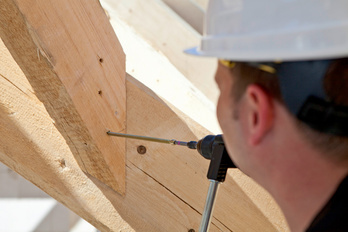
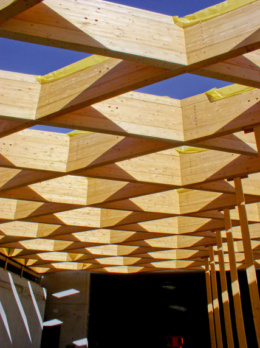
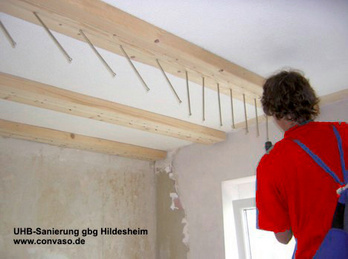
| Instructions | ||||
| Support beams/edge beams | Rafter-purlin connection | |||
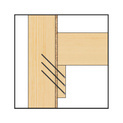 | 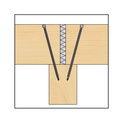 | 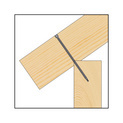 | ||
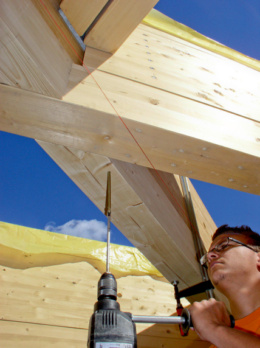
| When designing houses with a wooden frame construction, it was common up until now to build the walls in the same height as the height between storeys. The ceiling beams therefore lay on the top plates of the lower storey. As a result, the airtight layer and the outer wall insulation were penetrated by the beams. Therefore, there is an increasing tendency to build the outer walls across storey levels. Thanks to edge beam fastening with ASSY®plus VG full-thread screws, support beams/edge beams can now be fastened quickly, efficiently and easily. With this design version, the screw-in template VG-Fix is also suitable for adjusting the screw-in angle and the screw spacing. | Conventional rafter-purlin anchors are time-consuming to install and also have a low load-bearing capacity. The ASSYplus VG therefore represents an efficient alternative. The typical weak point of a standard countersunk head screw, head pull-through, is eliminated by the ASSYplus VG. | |||
| Coupling purlins | ||||
 | 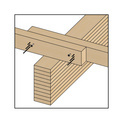 | 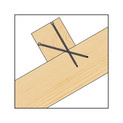 | ||
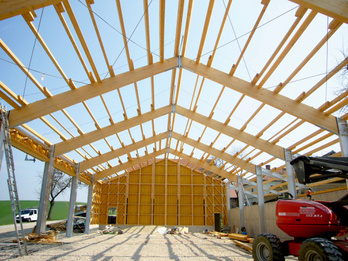
| In the construction of commercial and industrial buildings, the rafter purlins are generally formed as coupling purlins. The coupling is used to achieve more favourable wood cross-sections than with single-field beams. This new connection type saves time and money in jointing and installation. An ASSY SK screw and, depending on the load, ASSY plus VG screws are inserted at right angles at each connection point. There is then no need for predrilling. The wood cross-sections can be kept small due to the short edge distances. The complex milling out of the anchors is then eliminated. Only one powerful cordless drill is required for installation. The purlins can be cut to length by the saw mill and delivered directly to the construction site. The purlins are pulled together with the ASSY SK washer head screw. No additional clamping tools are required. Dimensioning tables have been prepared for the static calculation of the connections, which can be requested via the Würth salesperson. | ||||
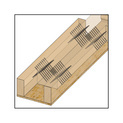 | 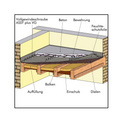 | 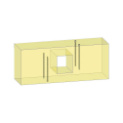 | ||
| Timber-concrete composite floor (TCC) Ceiling renovation employing a wood and concrete composite is the optimum method for increasing the load-bearing capacity where the beam spacings and support widths are particularly great, or where there are very high rated live loads. Here, partly screwed-in full-thread screws serve as shear connectors and absorb the shear flow between the wooden beams and concrete slab. This eliminates the time-consuming installation of shear connectors made from expanded metal. ASSY®plus VG has its own DIBt National technical approval (Z-9.1-648) for this method. Project-related calculations with static verification can be carried out with "technical software 6.0". | ||||
| Doubling, sistering and lateral support beam reinforcement | ||||
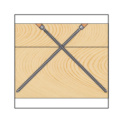 | 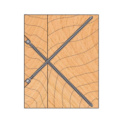 | 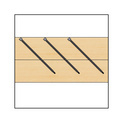 | 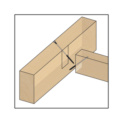 | |
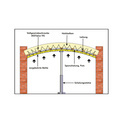
| It is often necessary to reinforce existing beams, especially when renovating old buildings. With the reinforcement types of doubling, sistering and lateral support beam reinforcement, the ASSY plus VG screw offers effective, cost-efficient technologies for increasing load-bearing capacity of the beams and reducing bending. | ||||
| Main/secondary support beam connection | Notches and openings | |||
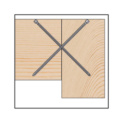 | 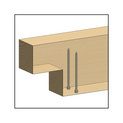 | 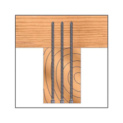 | ||
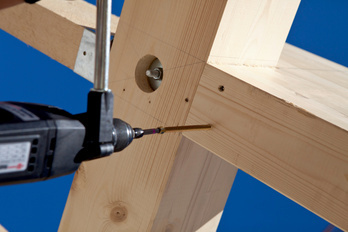
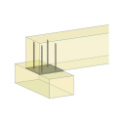
| Until now, main/secondary support beam connections had been made with moulded metal parts, such as joist hangers. The ASSYplus VG screw provides a time-saving and invisible alternative. By screwing in the ASSYplus VG at an angle of 45°, the screws absorb the lateral forces of the connection. Ideal for application: Setting template VG-Fix | Until now, it has been necessary to create reinforcements in order to prevent the failure of support beams, for example by using glued-on engineered wood boards or glued-in threaded rods. The full-thread screw ASSY®plus VG represents a quick, and above all non-visible, alternative to this. | |||
 |  |  |  |  |
 |  | |||
ETA–11/0190
Datasheets(X)

ASSY plus FT countersunk milling pocket head screws are full-thread screws that can be used universally within the new construction and renovation sector. They are ideal for reinforcement connections, lateral compression reinforcement or lateral tensile reinforcement in timber construction, carpentry, timber house and element construction.
Metal/wood connections
Wood/metal connections may be required in modern timber construction. Shear connections using ASSY plus FT mean greater forces can be tolerated. The high-precision power transmission makes the countersunk milling pocket head variant particularly well-suited to this. The perfect aid for gentle transmission of forces and establishing effective static connections is the 45° angled washer in combination with ASSY plus FT countersunk milling pocket head screws.
Lateral compression reinforcement with truss support
With a truss support, the ASSY plus FT absorbs the compressive force to be transmitted. The head, in conjunction with the screw thread, introduces the force into the screws via an intermediate steel plate and distributes it evenly across all full-thread screws in the entire wooden cross-section. The load-bearing capacity of the support is increased and compression of the wooden cross-section is avoided.
General lateral compression/tensile reinforcements
The pressure and tensile strengths of timber across the wood grain are low. The ASSY plus FT screws allow you to increase the lateral pressure and tensile strengths of the wood, using less timber and designing more effectively.
Lateral tensile reinforcement, notches and openings
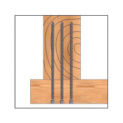
Reinforcement for preventing failure of glued trusses or other supports by exceeding the tensile strength of the wood can be carried out quickly and reliable with the ASSY plus FT. Compared with conventional reinforcements such as glued-in threaded rods or side beam reinforcements using wooden material panels, this enables visually appealing solutions and significantly reduces the required assembly time.
Lateral tensile reinforcement with ASSY plus FT when connecting main and secondary beams with moulded metal parts:
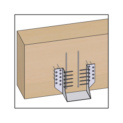
The weak point when connecting main and secondary beams with moulded metal parts is the top centre connecting row of the nails (danger of cracking). The lateral tensile reinforcement of the main beam using the ASSY plus FT in the joist hanger area can eliminate the risk of lateral failure.
Main/secondary support beam connection
To date, main/secondary beam connections are made with moulded metal parts, such as joist hangers or concealed beam connectors that are time-consuming to install. The ASSY plus FT screw provides a time-saving and invisible alternative. By screwing in the ASSY plus FT at an angle of 45°, the screws absorb the lateral forces of the connection. Ideal for application: FT-fix setting template.
False edge and lateral support beam reinforcement
It is often necessary to reinforce existing beams or rafters, especially when renovating old buildings. With the reinforcement types of false edge and lateral support beam reinforcement, the ASSY plus FT screw offers effective, cost-efficient technologies for increasing load-bearing capacity of the beams and reducing bending.
Prefabricated house construction/timber frame construction
ASSY plus FT is the optimum problem-solver in prefabricated house construction as well. Thanks to the full thread, it can absorb significantly greater tensile, pressure and shear loads. The connection is therefore not limited due to exceeding the head pull-through resistance. The drill tip ensures that the substructure does not splinter or crack during screwing in when the short edge distances are complied with, which is often the case with screws without a drill tip.
Rafter-purlin connection
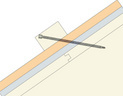
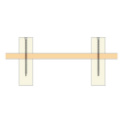
Current rafter-purlin anchors require time-consuming assembly and also have a low load-bearing capacity. The ASSY plus FT is therefore an effective alternative with benefits in terms of assembly time. The existing weak point of an ASSY 3.0 countersunk head screw or an ASSY 3.0 SK, the head pull-through, can therefore be ignored with the ASSY plus FT. The result is a lasting connection even if the wooden cross-section subsequently dries out and shrinks.
Coupling purlins
In the construction of commercial and industrial buildings, the rafter-supporting purlins are generally formed as coupling purlins. The single-field beam coupling is used to create multiple field beams. The load-bearing capacity is increased and, in return, smaller material cross-sections can be used. With help, a quick and easy connection can be created. An ASSY SK screw (consolidation) and, depending on the load, ASSY plus FT screws, 6 or 8 mm in diameter, are inserted at right angles at each connection point. Pre-drilling is not necessary. The wood cross-sections can be kept small due to the short edge distances of the ASSY plus FT. Compared to a tooth plate connector assembly, the elaborate setting of anchors and bolts is eliminated as is the need to subsequently tighten the bolt nuts correctly. A powerful cordless drill is all that is required for installation of the screws.
Footing beams/edge beams
When designing houses with a timber frame construction, it was previously the norm to produce the walls in a floor-to-ceiling structure. The ceiling beam position therefore lay on the wall frame of the lower storey in each case. As a result, the air-tight level and the outer wall insulation were penetrated by the beam. Therefore, there is an increasing tendency to have the outer walls traverse above storey level. Thanks to edge beam fastening with ASSY plus FT full thread screws, the fastening of the footing beams/edge beams for securing the ceiling can now be produced quickly, efficiently and easily in the form of a simple shear connection. With this design version, the screw-in template FT-fix is also suitable for adjusting the screw-in angle and the screw spacing.
Beam head renovation
There is hardly an old building with wooden beam ceilings that is completely free of damage on its load-bearing ceilings. Wood integrated in the masonry can be infected by fungus or insects. The beams have rotted off or are heavily damaged at the point of support. Using laterally bolted reinforcing lugs, these points can be quickly and easily renovated and the load-bearing capacity of the beams is restored. This eliminates the need to completely replace the damaged beams.
Dowel rod substitution in double shear wood/wood connections
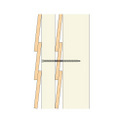
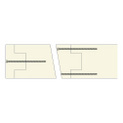
Extremely high installation accuracy is required to cleanly execute the traditional simple dowel rod connection. In practice, this often leads to implementation problems. A visually cleaner and financially attractive alternative is the creation of double-shear wood/wood connections using ASSY plus FT screws. Installation differences can easily be compensated for with equivalent load-bearing capacities. Compared with the beam dowel connection, a smaller diameter is required due to the beneficial impact of the screw's hooking effect.
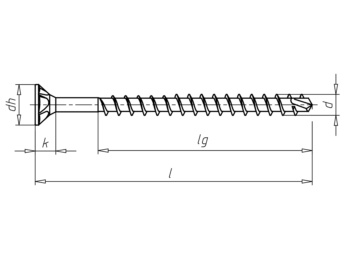 | |
Nominal diameter (d) | 12 mm |
Length (l) | 180 mm |
Thread length (lg) (lg) | 154 mm |
Screw-thread length with drill tip (b) (b) | 154 mm |
Declaration of performance (EU-CPR) | Yes |
Head type | Countersunk milling pocket head |
Head details | Milling pockets |
Head diameter (dh) | 22.5 mm |
Head height (k) | 7.0 mm |
Internal drive | AW50 |
Thread type | Wood screw thread |
Thread design | Full thread |
Thread form | Single start thread |
Core diameter | 7.1 mm |
Shape of tip | Drilling tip |
Material | Hardened steel |
Surface | Zinc plated |
Max. screw-in angle | 90 Degree |
Min. screw-in angle | 0 Degree |
Suitable for use in the following materials | Board ply wood (BSP), Wood, Derived timber product, Hardwood, LVL, Softwood |
Area of application | Timber construction, Structural woodwork, Metal wood connections, Lateral compression reinforcement |
Additional accessory | Bit lock |
Approval | ETA-11/0190 |
Product weight (per item) | 81.000 g |
RoHS-compliant | Yes |
Select RAL-colour code
!! NOTE: On-screen visualisation of the colour differs from real colour shade!!
Last viewed

Round head screw with square neck DIN 603, steel, strength class 8.8, zinc flake, silver (ZFSHL)

Hexagonal bolt with thread up to head ISO 4017, hot-dip galvanised 8.8U steel (TZN)

Safety shoe S1PL Uvex1 XCraft 6802

Soft wax

Soft wax

Hexagon nut with flange and clamping piece (all-metal) according to MBN standard

Soft wax

Sealing ring

Blind rivet, large flat head

Support pad for terrace support